Dry eye disease (DED), blepharitis, and meibomian gland dysfunction (MGD) are common eye conditions that can cause significant discomfort and affect quality of life.
These conditions often occur together, and their symptoms can range from mild irritation to more severe complications that impact vision. Thankfully, there are a variety of treatments available to manage these conditions effectively.
Dry eye disease occurs when the eye does not produce enough tears or when the tears evaporate too quickly, leading to discomfort, irritation, and inflammation.
It can be caused by various factors, including environmental conditions, medication side effects, hormonal changes, or underlying medical conditions. Common symptoms include burning, stinging, a feeling of something in the eye (foreign body sensation), redness, and blurred vision.
Blepharitis is the inflammation of the eyelid margins, often caused by bacterial infections or poor hygiene. It can lead to redness, swelling, and crusting along the eyelashes, which may worsen dry eye symptoms.
The condition is often associated with MGD, which affects the oil-producing glands in the eyelids that help maintain tear film stability.
MGD occurs when the meibomian glands, which line the eyelids, become clogged or inflamed, disrupting the production of the oils essential for proper tear function. Without these oils, the tear film evaporates too quickly, leading to dryness, irritation, and fluctuating vision.
MGD is one of the most common causes of dry eye disease and requires targeted treatment.
There are several treatment options available to help alleviate the symptoms of dry eye, blepharitis, and Meibomian Gland Dysfunction (MGD). The aim of treatment is to restore tear film stability, reduce inflammation, and improve eyelid hygiene – helping to enhance overall eye comfort and health.
Intense Pulsed Light (IPL) therapy is a cutting-edge treatment used to address both dry eye and MGD.
IPL uses broad-spectrum light to target the meibomian glands, reducing inflammation and promoting gland function. It helps to clear blockages and improve oil secretion, providing long-lasting relief for patients suffering from MGD-related dry eye. Reynolds & Slater are specialists in treating dry eye and MGD and offer IPL treatments in both their practices.
To book a consultation click on the button below.
Our current price list for all our professional services can be found by clicking on the button below.
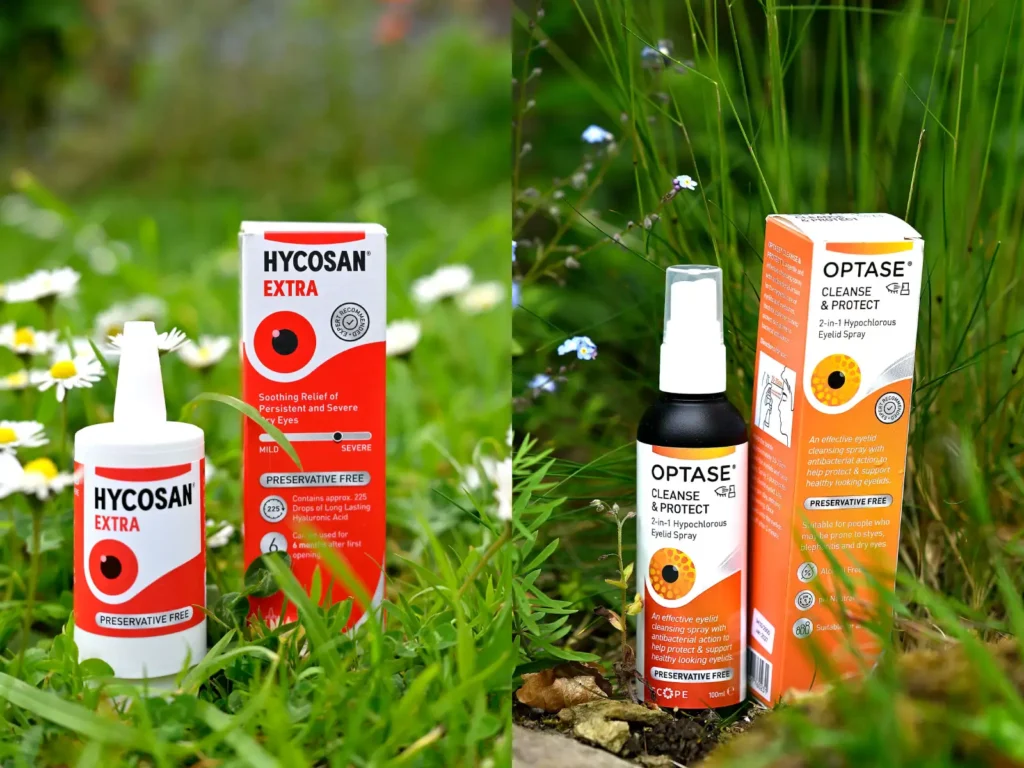
Artificial tears or lubricating eye drops are commonly used to manage dry eye symptoms.
These over-the-counter or prescription drops help replace lost moisture, soothe irritation, and reduce discomfort. For more chronic or severe cases, prescription drops like Ikervis or Dexafree may be recommended to help reduce inflammation and increase tear production.
Two innovative treatments—Blephex and Nulids Micro Blephorexfoliation—offer patients advanced solutions for managing this condition.

Blephex is a revolutionary in-office treatment designed to effectively manage blepharitis and meibomian gland dysfunction.
During a Blephex procedure, a specialized handheld device is used to gently exfoliate the eyelid margins and clean the meibomian glands. The device delivers a controlled, ultrasonic vibration, along with a medical-grade cleaning solution, to remove debris, bacteria, biofilm, and other blockages from the eyelashes and eyelid margins.
Benefits of Blephex:
A single Blephex session is often sufficient to address the buildup of debris and inflammation, though repeated treatments may be recommended based on the severity of the condition.
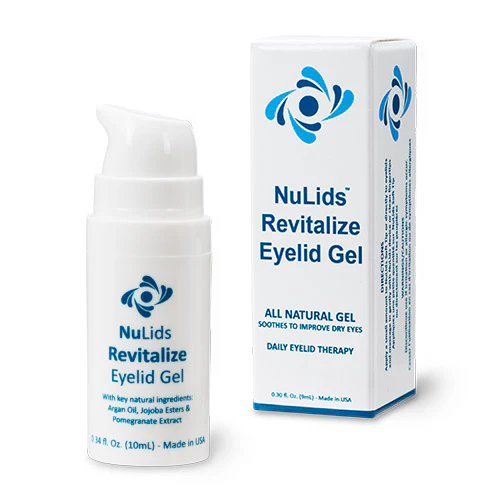
Nulids Micro Blephorexfoliation offers an effective solution to continue managing blepharitis and improving eyelid hygiene.
Nulids features a precision device designed to exfoliate the eyelid margins using gentle, micro-massage technology. The device uses a rotating soft brush to cleanse the eyelid and lashes, removing excess oils, crusts, and debris that can aggravate blepharitis.
Benefits of Nulids:
Punctal plugs are small devices inserted into the tear ducts (puncta) to block tear drainage, allowing tears to remain on the eye longer. This helps improve moisture retention, reducing dryness and irritation. Punctal plugs are often used in combination with other treatments, such as dry eye drops or IPL therapy. Reynolds & Slater offer a range of plugs in the treatment of dry eye.
Amniotic membrane therapy involves the use of a special tissue derived from the placenta to promote healing and reduce inflammation in the eye. This treatment is particularly effective for patients with severe dry eye, corneal damage, or chronic inflammation. The amniotic membrane acts as a natural bandage, enhancing tissue repair and offering significant relief. At Reynolds & Slater we are proud to be the only specialist optometry practice currently offering this treatment in Cornwall.
Several medications can help manage dry eye symptoms and address underlying causes, including:
Managing dry eye, blepharitis, and meibomian gland dysfunction requires a multifaceted approach tailored to each patient’s unique needs.
A combination of lifestyle modifications, medications, and advanced treatments such as IPL therapy can provide significant relief and improve quality of life.
If you are struggling with dry eye or related conditions, it’s important to consult an eye care professional who can help determine the most appropriate treatment plan for you.